Where the Casa Blanca Brand Exists in the 2026 Premium Landscape
Although the spelling “Casa Blanca brand” is often searched by web shoppers, it points to the original Casablanca fashion house based in Paris and launched by Charaf Tajer in 2018. In the saturated luxury scene of 2026, Casablanca holds a defined and progressively prominent slot: new-wave luxury with strong storytelling, high-quality materials and a visual identity rooted in tennis, journeys and holiday culture. The brand unveils collections during Paris Fashion Week, sells through high-end multi-brand boutiques and department stores globally, and positions its pieces in line with labels like Amiri, Jacquemus, Rhude and Palm Angels. This standing puts Casablanca above premium streetwear but below storied luxury giants like Louis Vuitton or Gucci, granting it space to develop while retaining the design independence and cachet that drive its ascent. Appreciating where the Casa Blanca brand stands in this structure is important for customers who want to shop smartly and understand the value behind each investment.
Identifying the Target Audience
The representative Casablanca customer is a style-conscious person between 22 and 42 years old who values self-expression, exploration and cultural engagement. Many buyers belong to or alongside design sectors—design, media, music, hospitality—and search for clothing that expresses style and flair rather than wealth alone. However, the brand also attracts professionals in finance, tech and law who aim to set apart their casual wardrobes with something more special than generic luxury essentials. Women constitute a expanding share of the customer base, drawn to the label’s fluid https://casablancashirts.org cuts, colourful prints and resort-ready mood. By region, the largest markets in 2026 include Western Europe, North America, the Middle East, Japan and South Korea, though Instagram has expanded recognition internationally. A considerable supplementary audience includes archive enthusiasts and resellers who watch exclusive drops and vintage pieces, appreciating the brand’s likelihood for increase in value. This diverse but coherent customer profile affords Casablanca a expansive revenue base while preserving the air of scarcity and cultural identity that drew its earliest fans.
Casa Blanca Brand Primary Audience Groups
| Category | Age | Driver | Top Categories |
|---|---|---|---|
| Creative professionals | 25–40 | Creativity | Silk shirts, knitwear, prints |
| Premium streetwear fans | 18–35 | Drops | Hoodies, track sets, caps |
| Vacation and travel shoppers | 28–45 | Resort dressing | Shorts, shirts, accessories |
| Fashion collectors and flippers | 20–38 | Appreciation | Archive prints, collaborations |
| Female customers | 22–42 | Dresses, skirts, silk pieces |
Price Tier and Worth Narrative
Casablanca’s price structure communicates its position as a contemporary luxury house that values creativity, construction quality and controlled production over widespread availability. In 2026, T-shirts usually price between 200 and 350 dollars, hoodies and sweatshirts between 400 and 700 dollars, silk shirts between 700 and 1 200 dollars, knitwear between 450 and 900 dollars, and outerwear between 800 and 2 000 dollars according to complexity and fabrics. Accessories like caps, scarves and mini bags range from 100 to 500 dollars. These prices are generally aligned with labels like Amiri and Rhude but can be lower than some Jacquemus or Off-White pieces at the upper end. What explains the cost for many customers is the fusion of exclusive artwork, high-end fabrication and a cohesive design philosophy that makes each piece feel considered rather than ordinary. Resale values for coveted prints and limited drops can surpass original retail, which strengthens the view of Casablanca as a savvy purchase rather than a declining cost. Customers who assess cost per wear—considering how often they in practice wear a piece—frequently find that a adaptable silk shirt or knit from Casablanca gives excellent value regardless of its sticker price.
Distribution Plan and Store Presence
The Casa Blanca brand operates a deliberate retail approach designed to preserve desirability and avoid overexposure. The main direct-to-consumer channel is the primary website, which carries the whole range of current collections, web-only drops and seasonal sales. A main store in Paris functions as both a sales space and a immersive centre, and short-term locations open from time to time in cities like London, New York, Milan and Tokyo during fashion seasons and creative events. On the B2B side, Casablanca works with a carefully chosen network of upscale retailers including SSENSE, Mr Porter, Farfetch, Browns, Dover Street Market and chosen department stores such as Selfridges, Neiman Marcus and Isetan. This curated distribution ensures that the brand is stocked to serious shoppers without reaching every markdown outlet or fast-fashion aggregator. In 2026, Casablanca is apparently broadening its brick-and-mortar reach with ongoing stores in two new cities and greater investment in its web experience, adding digital try-on features and enhanced size help. For customers, this implies increasing ease of shopping without the ubiquity that can weaken luxury status.
Brand Positioning Relative to Peers
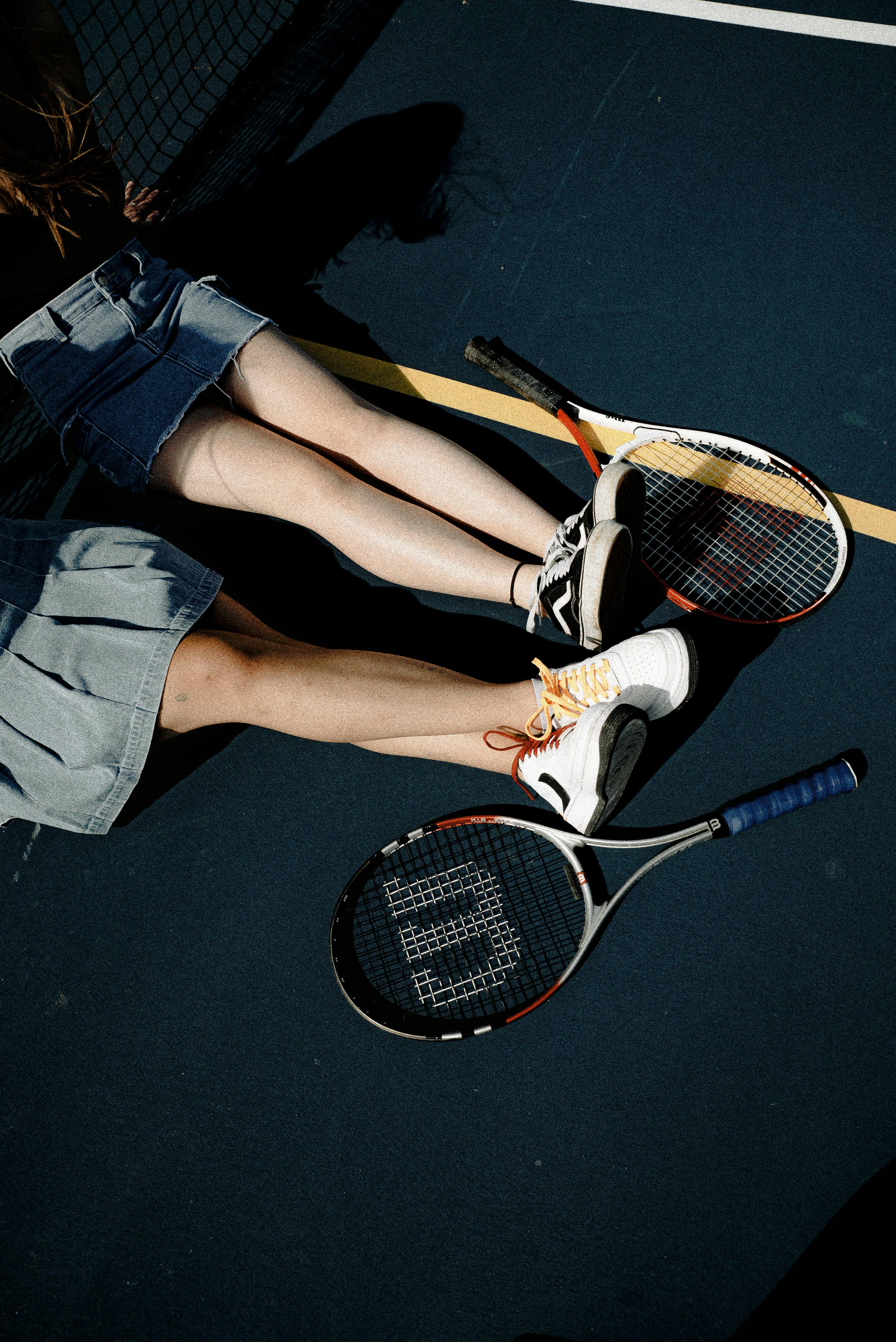
Understanding the Casa Blanca brand’s positioning calls for weighing it with the labels it most commonly appears alongside in luxury stores and editorial editorials. Jacquemus has a comparable French luxury foundation but moves more toward minimalism and earthy palettes, positioning the two brands complementary rather than rival. Amiri delivers a edgier, rock-influenced California aesthetic that targets a distinct emotional register. Rhude and Palm Angels inhabit the high-end casual space with logo-laden designs that touch on some of Casablanca’s casual pieces but do not have the vacation and tennis story. What separates Casablanca apart from all of these is its steady investment in hand-drawn prints, color intensity and a distinct atmosphere of happiness and leisure. No other label in the contemporary luxury tier has established its full brand story around tennis and sport and coastal travel with the same thoroughness and reliability. This distinctive place provides Casablanca a strong DNA that is challenging for imitators to imitate, which in turn strengthens long-term brand equity and price power.
The Importance of Collabs and Exclusive Editions
Joint ventures and limited-edition releases fill a strategic part in the Casa Blanca brand’s positioning. By teaming up with activewear companies, design institutions and lifestyle brands, Casablanca presents itself to untapped audiences while creating buyer anticipation among current fans. These capsules are typically made in limited runs and feature dual-brand prints or unique palettes that are not offered in mainline collections. In 2026, partnership pieces have become some of the most in-demand items on the aftermarket market, with select releases trading above original retail within moments of releasing. For the brand, this approach delivers editorial attention, drives traffic to channels and reinforces the view of limited availability and demand without devaluing the core collection. For customers, collaborations give a opportunity to buy one-of-a-kind pieces that occupy the crossroads of two cultural worlds.
Strategic Outlook and Consumer Plan
For shoppers thinking about how the Casa Blanca brand complements their individual style universe in 2026, the label’s positioning suggests a few smart methods. If you want a wardrobe built around colour, print and travel energy, Casablanca can function as a main provider for signature pieces that anchor outfits. If your style is subtler, one or two Casablanca garments—a knit, a shirt or an accessory—can bring character into a neutral wardrobe without remaking your whole closet. Investors and collectors should track exclusive prints and collab releases, which traditionally keep or surpass their launch value on the secondary market. Irrespective of method, the brand’s investment in quality, brand story and curated distribution ensures a customer interaction that appears purposeful and rewarding. As the luxury market changes, labels that offer both personal connection and tangible quality are poised to outperform those that bank on hype alone. Casablanca’s status in 2026 suggests that it is planning for longevity rather than passing trendiness, establishing it a brand meriting following and supporting for the foreseeable future. For the latest pricing and range, visit the official Casablanca website or browse selections on Mr Porter.